
Vertical Intervention
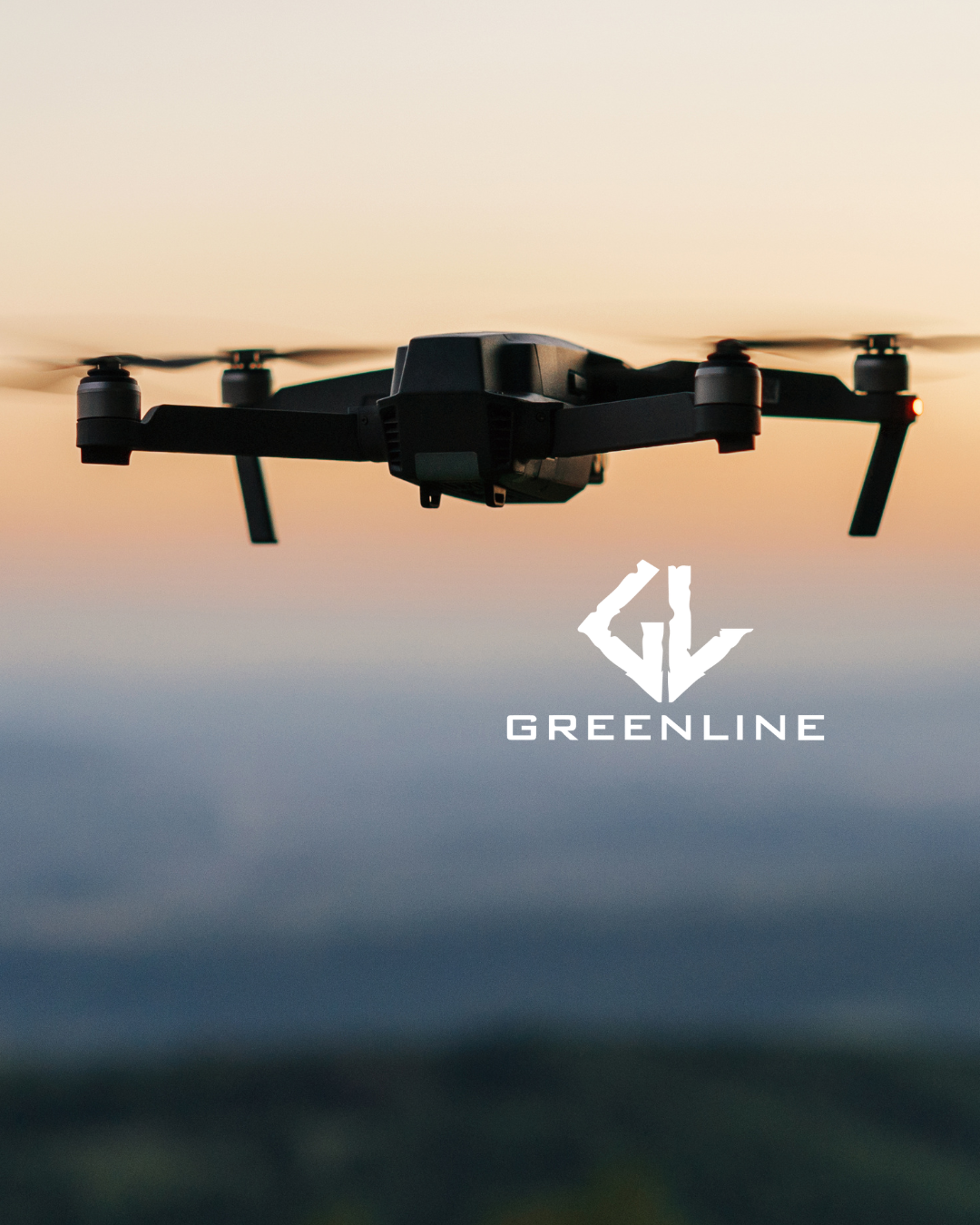
Vertical Intervention: FPV Tactics for High-Risk Ops
This intensive 16-hour course is designed to equip SWAT operators with the technical proficiency and tactical mindset needed to deploy First-Person View (FPV) drones as force multipliers. The curriculum emphasizes high-stakes interior structure clearing and advanced vehicle interdiction, specifically for felony stops and barricaded suspects where GPS aided flight is unreliable.
Course Overview
Duration: 2 Days (16 Hours).
Format: 30% Classroom, 70% Practical Flight Instruction.
Target Audience: Active-duty Law Enforcement/SWAT with FAA Part 107 or agency equivalent.
Core Goal: Transitioning operators from basic flight to advanced tactical employment in GPS-denied environments.
Day 1: Technical Mastery & Interior Tactics
Focuses on establishing foundational skills for high-precision flight in confined spaces.
FPV Fundamentals: Setup of tactical FPV systems (e.g., DJI Avata 2, Sky-Hero LOKI), including goggles and ground control stations.
Precision Flight Lab: Navigating tight gaps and obstacles using standardized NIST flight maneuvers to build muscle memory.
GPS-Denied Operations: Maintaining stability in "indoor mode" without satellite assistance using manual throttle control.
Interior Clearing Scenarios:
Hard Breach: Managing extreme light transitions when entering dark structures.
Verticality: Navigating stairwells and multi-story environments while maintaining signal strength.
Tactical Communication: Integrating drone feeds into real-time team situational awareness.
Day 2: Advanced Interdiction & Barricaded Vehicles
Shifts to dynamic outdoor and transitional scenarios involving vehicle assaults.
Felony Traffic Stop Interdiction: Deploying drones to provide 360-degree interior visual reconnaissance before officer approach.
Barricaded Vehicle Operations: Tactics for using drones to "peek" into tinted windows and confirm the presence of weapons.
Signal Management: Deploying repeaters and relay nodes to maintain a solid link deep within structures or hardened vehicles.
Live Reality-Based Training:
High-Risk Entry: Coordinated drone and SWAT stack entry to locate a barricaded subject.
Emergency Recovery: Rapid use of Turtle Mode (self-righting) to resume flight after a crash.
Legal & Policy Debrief: Reviewing Fourth Amendment considerations regarding "Plain View" vs. warrantless interior searches.
Evaluation & Certification
Written Exam: Validating knowledge of RF physics, legal policy, and tactical theory.
Practical Skills Rubric: NIST-based evaluation including window entries, stairwell climbs, and rapid recovery drills.
Prerequisites: Students must be active-duty Law Enforcement or Military, or individually approved by the cadre with a valid FAA Part 107 certificate or equivalent agency authorization.